Subscribe to our blog for the latest fitness insights, product news, and expert training advice.
Popular Post
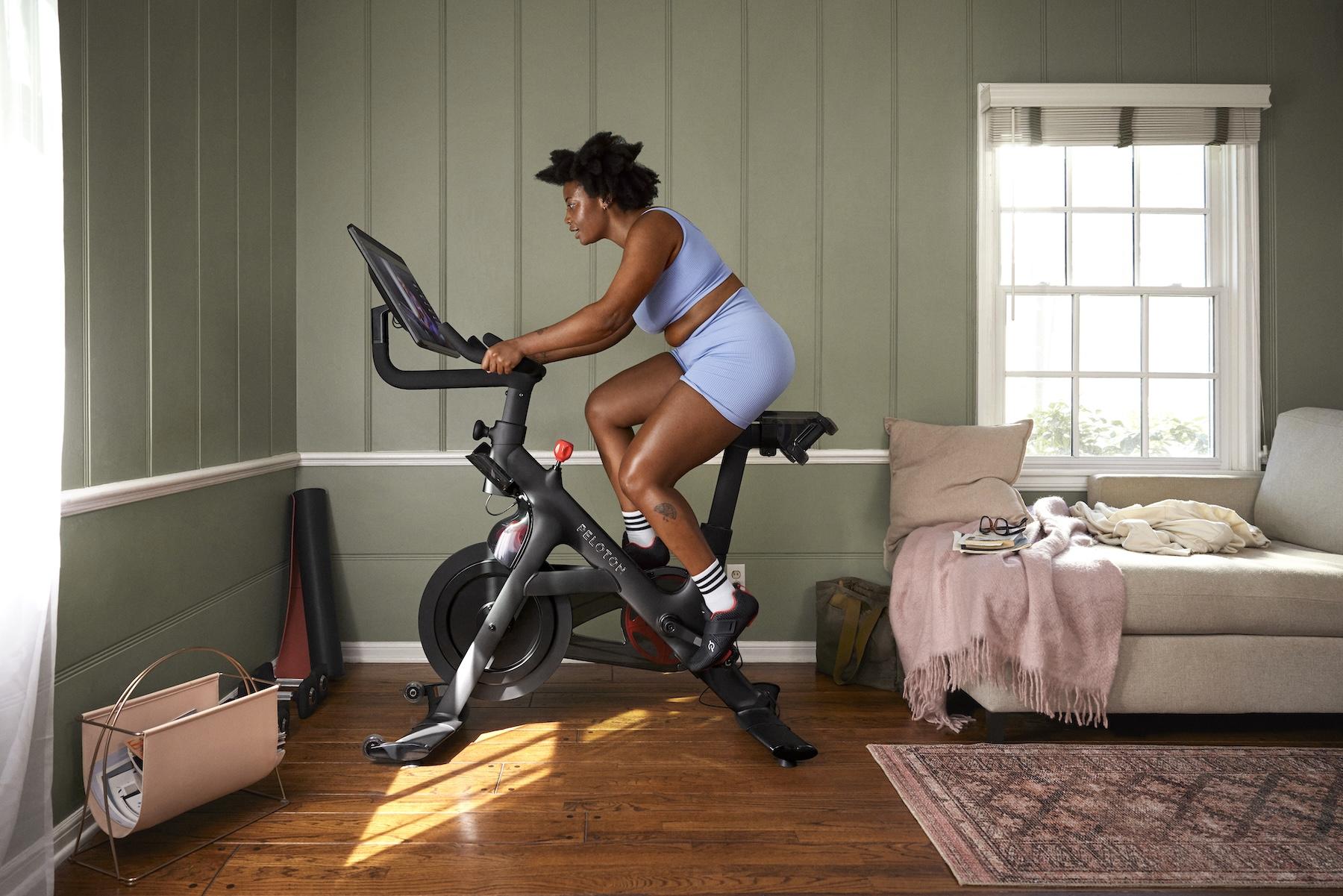
Unlocking Your Home's Fitness Potential: A Dynamic Approach 🏋️♀️ The landscape of personal wellness has profoundly transformed, shifting from traditional gym memberships to...
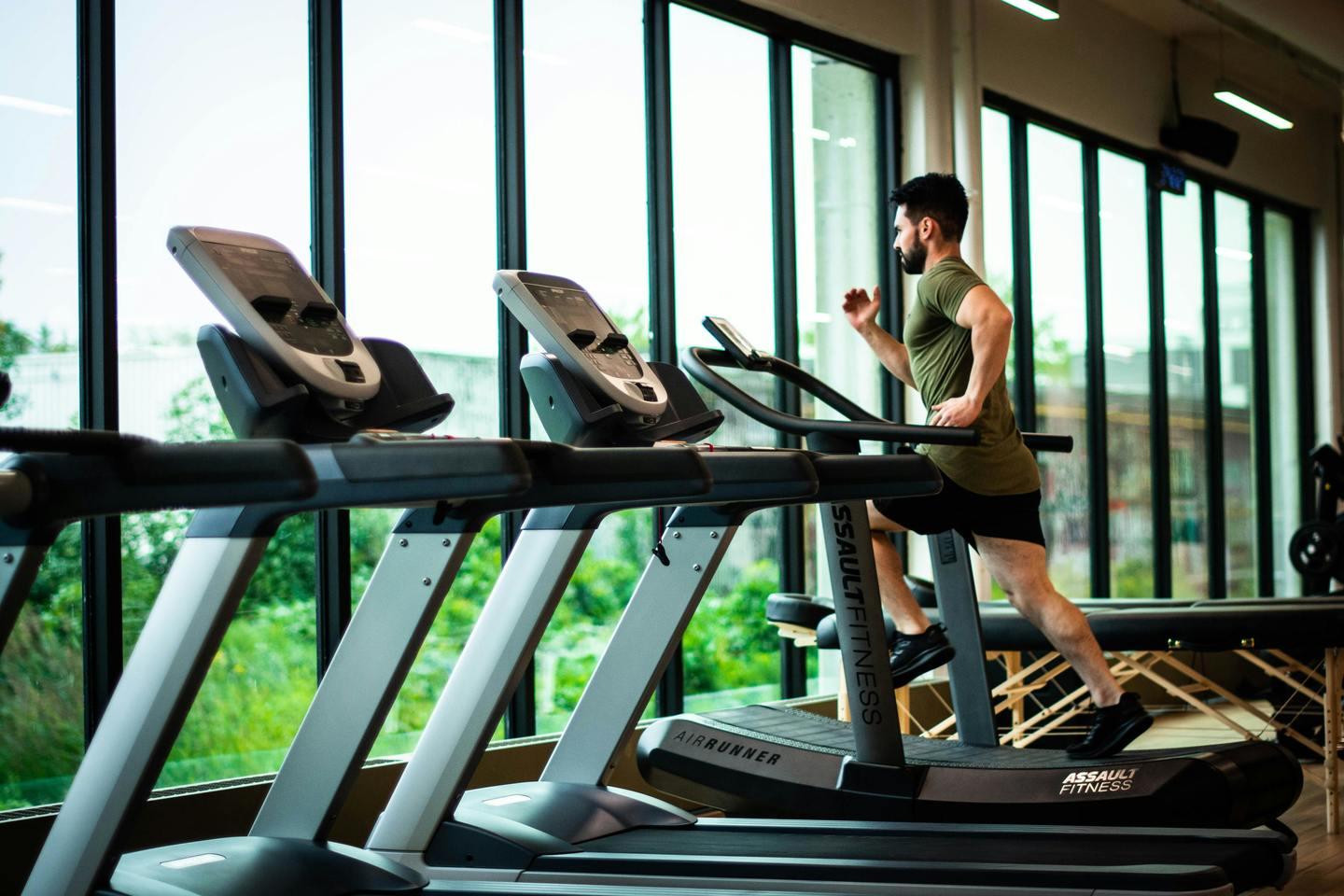
💪 The Unseen Strength: Why Durability Elevates Your Fitness Journey 🚀 In our increasingly active world, fitness has transcended a mere hobby to become a cornerstone of daily life...
Company slogan
Engineering excellence for your peak performance. We craft the equipment that builds stronger, healthier lives.
Calendar
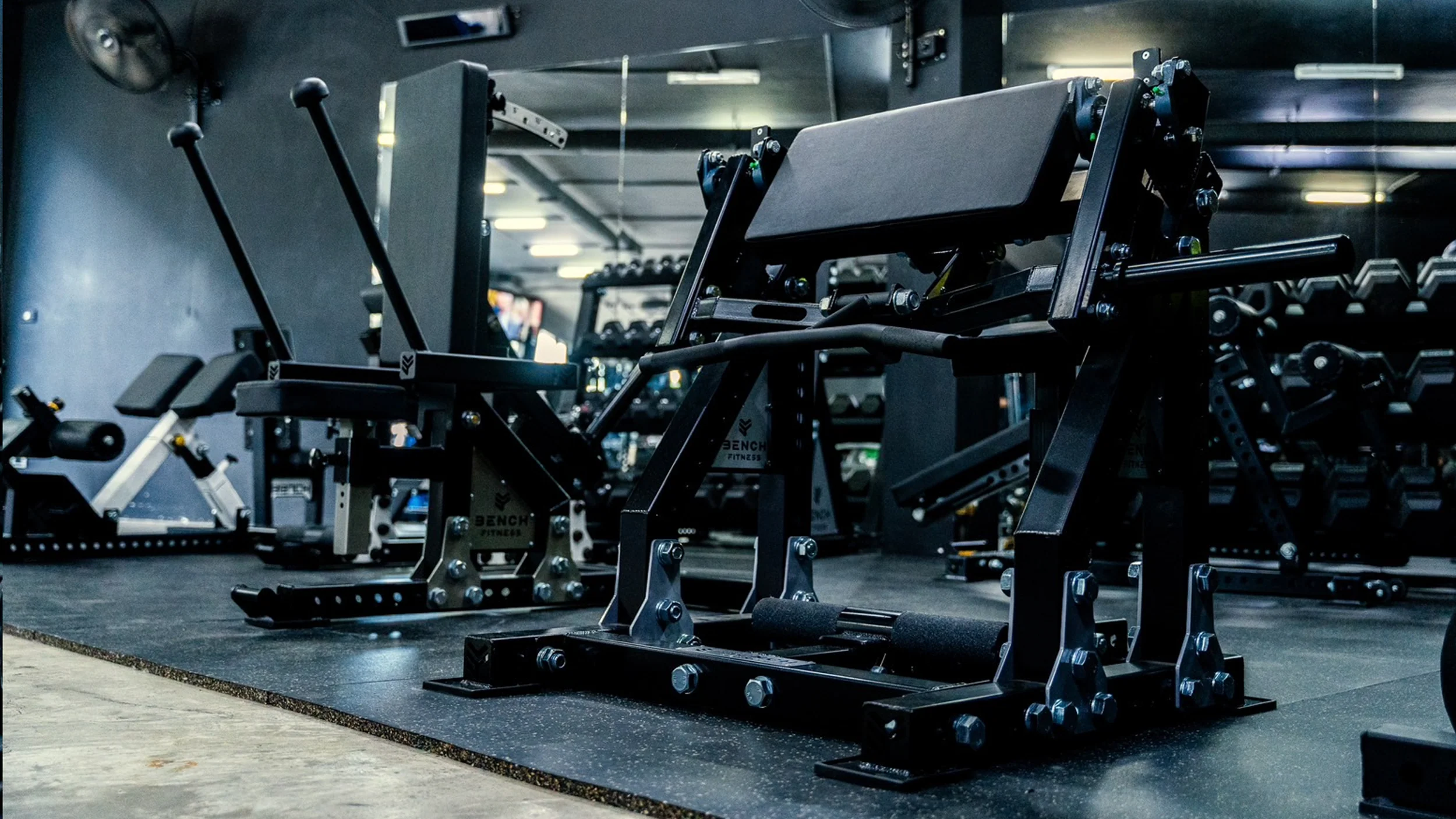
The Science of Sweat: Optimizing Your Indoor Cycling Sessions
Unlocking Peak Performance: The Role of Sweat in Indoor Cycling 🚴♀️
Indoor cycling has surged in popularity, offering a dynamic and controlled environment for fitness enthusiasts and competitive athletes alike. While the focus often falls on wattage output, cadence, or heart rate zones, one crucial physiological process often goes overlooked: sweat. Far from just a nuisance, sweating is a sophisticated biological mechanism that plays a pivotal role in maintaining core body temperature during intense physical exertion. Understanding its intricacies is fundamental to optimizing your performance and ensuring effective recovery after every session.
Historically, hydration advice centered primarily on simply replacing fluid volume lost. Early research recognized the immediate dangers of severe dehydration, such as heat stroke, but the nuanced interplay of electrolytes and individual physiological responses was less understood. As sports science evolved, so did our appreciation for sweat's complex composition, revealing that it's not just water, but a saline solution rich in essential minerals. This shift in understanding has profound implications for how we approach fluid and electrolyte replenishment during rigorous indoor cycling workouts.
The controlled environment of an indoor cycling studio, while beneficial for consistent training, presents unique challenges. Factors like room temperature, humidity, and airflow can significantly influence how effectively your body cools itself through sweat evaporation. Furthermore, each individual possesses a unique 'sweat signature' – varying rates of fluid loss and differing concentrations of electrolytes. Recognizing this variability is the first step towards developing a truly effective hydration strategy that supports peak performance and overall well-being during your Uteaude training.
Key Insights from Sweat Science
-
Individual sweat rates and electrolyte concentrations vary significantly, influenced by genetics, fitness level, heat acclimatization, and exercise intensity. A one-size-fits-all approach to hydration is often insufficient.
-
Significant loss of electrolytes, particularly sodium, can occur during prolonged or intense indoor cycling. This can lead to imbalances that impair muscle function, nerve impulses, and overall athletic output.
-
Even mild dehydration (a 2% body weight loss from fluid) can negatively impact endurance performance, cognitive function, and mood, making proactive and personalized hydration crucial for sustained effort.
Analyzing the Hydration Equation for Cyclists
The notion of a 'one-size-fits-all' hydration strategy is increasingly being debunked by scientific consensus. Your sweat rate can fluctuate dramatically based on the intensity of your Uteaude workout, the duration, and even the specific conditions of your training space. A heavy sweater might lose twice as much fluid and sodium as a lighter sweater in the same session. Ignoring these individual differences can lead to suboptimal performance or, in extreme cases, health concerns.
Beyond water, the electrolytes lost in sweat – primarily sodium, but also potassium, calcium, and magnesium – play vital roles in numerous bodily functions. Sodium, in particular, is critical for fluid balance, nerve impulse transmission, and muscle contraction. When sodium levels drop too low due to insufficient replenishment, athletes may experience muscle cramps, fatigue, and even nausea, severely hindering their ability to complete or perform well in a session.
The unique environment of indoor cycling often means less airflow compared to outdoor riding, potentially reducing the evaporative cooling effect. This can lead to higher core body temperatures and, consequently, increased sweat production. Understanding how your body responds to these specific indoor conditions is essential for tailoring your fluid and electrolyte intake, ensuring you stay cool and perform optimally.
Debates persist regarding the best hydration strategy: 'drinking to thirst' versus a structured, pre-planned approach. While 'drinking to thirst' works for many recreational exercisers, athletes engaging in high-intensity or prolonged indoor cycling may find it insufficient. Thirst can be an imperfect indicator of hydration status, often lagging behind actual fluid deficits. Therefore, a more proactive approach, informed by understanding one's typical sweat losses, is often recommended.
The emerging field of personalized sports nutrition offers exciting possibilities. Advanced sweat testing, which analyzes an individual's sweat rate and electrolyte concentration, allows for highly tailored hydration plans. While such detailed analysis might seem geared towards elite athletes, the principles can be applied by any dedicated cyclist. By paying attention to factors like body weight changes pre- and post-workout, and observing thirst cues, you can begin to craft a more effective hydration strategy for your indoor cycling endeavors.
Actionable Insights for Your Rides
-
Develop a personalized hydration plan: Track your body weight before and after Uteaude sessions to estimate fluid loss. Experiment with different fluid volumes and electrolyte concentrations to find what works best for your body and session intensity.
-
Prioritize electrolyte replenishment: For sessions lasting over an hour, or those of high intensity, incorporate electrolyte-rich beverages. This helps maintain crucial mineral balance, supporting muscle function and preventing early fatigue.