Subscribe to our blog for the latest fitness insights, product news, and expert training advice.
Popular Post
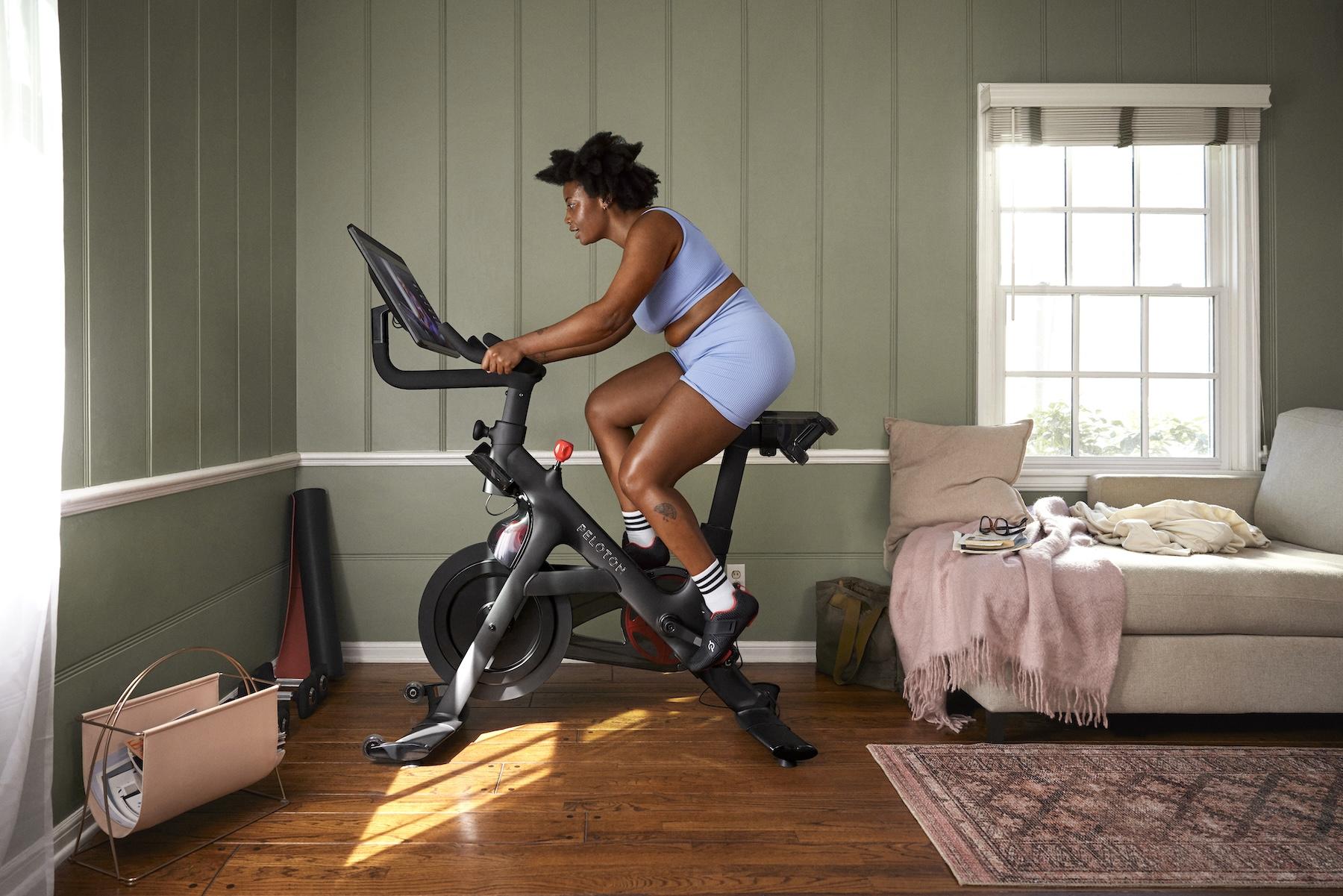
Unlocking Your Home's Fitness Potential: A Dynamic Approach 🏋️♀️ The landscape of personal wellness has profoundly transformed, shifting from traditional gym memberships to...
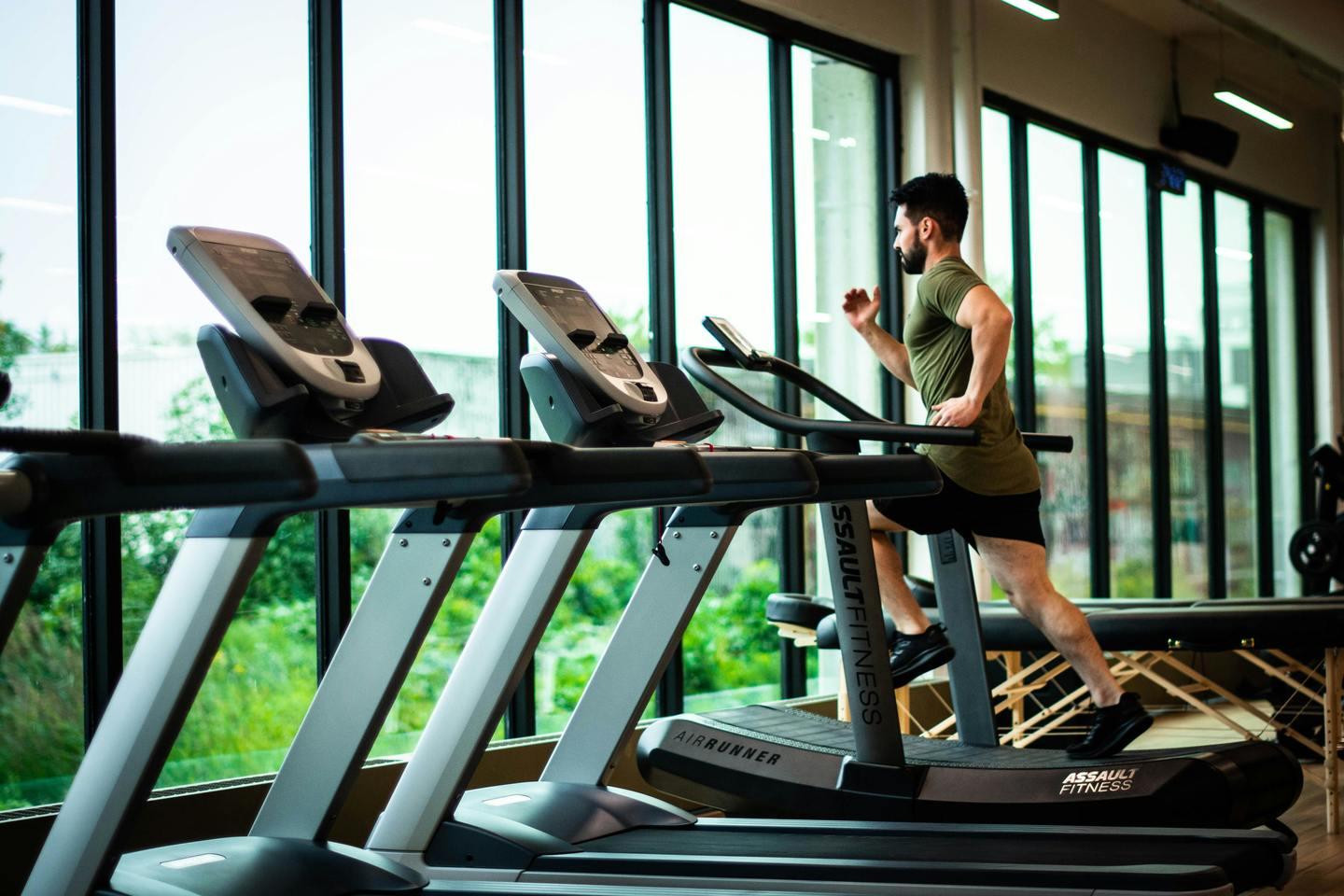
💪 The Unseen Strength: Why Durability Elevates Your Fitness Journey 🚀 In our increasingly active world, fitness has transcended a mere hobby to become a cornerstone of daily life...
Company slogan
Engineering excellence for your peak performance. We craft the equipment that builds stronger, healthier lives.
Calendar
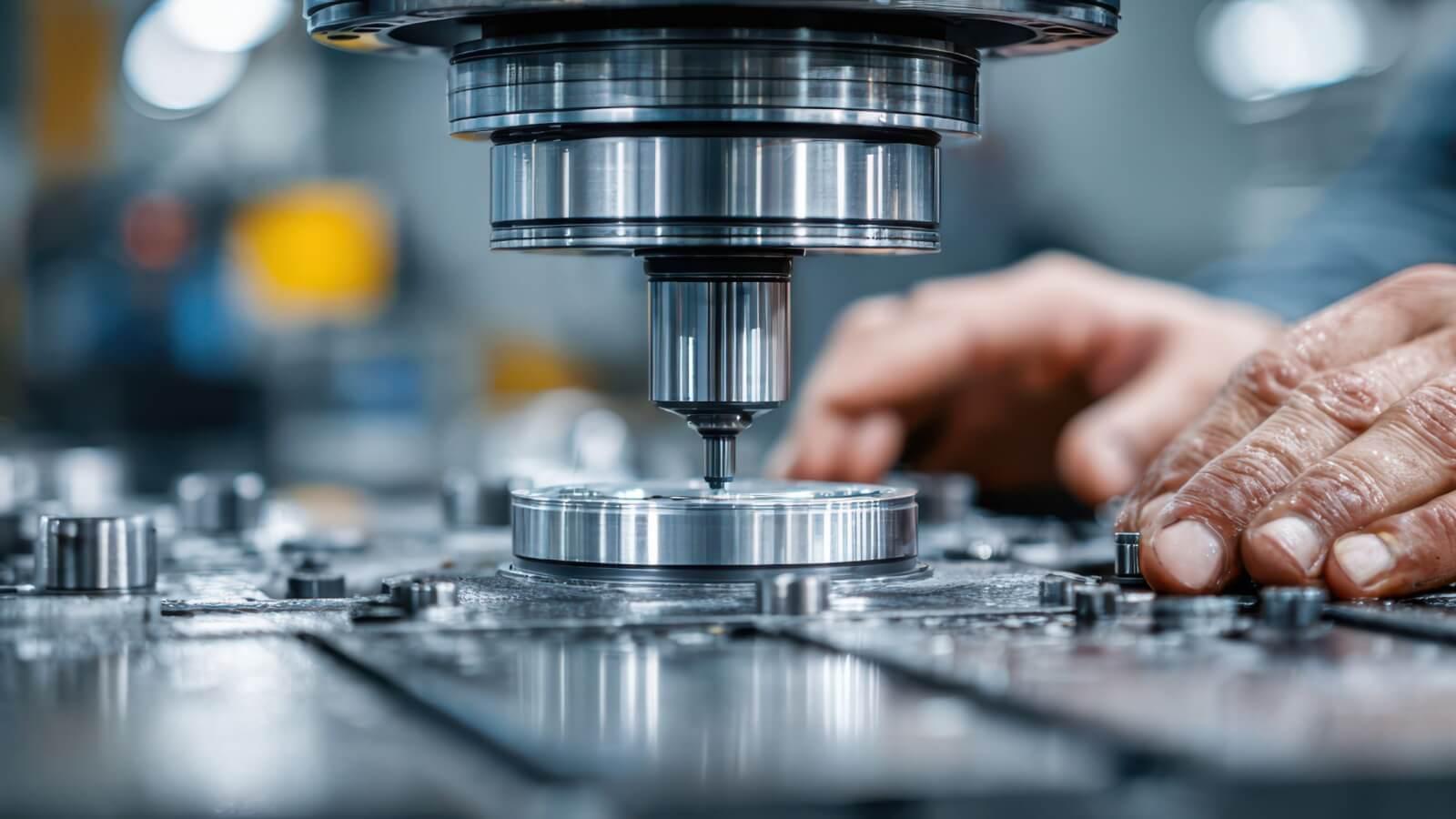
Precision in Motion: How Uteaude Designs Top Training Tools
🔬 The Science Behind Peak Performance Training
Historically, physical training relied on intuition and basic tools. As human physiology and biomechanics were better understood, a crucial insight emerged: effective training demands precision. This marked a scientific shift in athletic development, moving beyond trial and error. The need for tools accurately facilitating evidence-based methods grew, making specialized equipment essential.
Sports science introduced sophisticated analyses of muscle activation, joint kinematics, and energy expenditure. Researchers mapped human movement, identifying optimal ranges and force applications. This highlighted a market void: basic gear couldn't provide the targeted, biomechanically sound stimulus for peak performance or rehabilitation. The challenge was transforming complex data into practical aids.
Prior to the innovations brought by companies like Uteaude, athletes and trainers faced a dilemma. They grasped scientific principles, but existing equipment often lacked sophistication. Tools were either too generic, missing specific resistance, or overly complex. This bottleneck hindered athletic progress, with limitations stemming directly from the apparatus. The industry sought to bridge this critical gap.
Advancements in materials science were crucial. New alloys, composites, and polymers allowed designers to create lighter, stronger, and more adaptable equipment. Combined with modern manufacturing, this enabled tools with unprecedented precision and durability. The industry was ready for new training instruments, embodying scientific principles of human movement and performance.
💡 Key Insights from Training Research
-
Research confirms that tools designed with accurate biomechanical alignment profoundly enhance performance. They optimize movement and muscle engagement, significantly reducing injury risk.
-
Material selection critically impacts equipment longevity, safety, and user experience. Advanced composites and ergonomic designs are essential for durability, preventing strain during intense training.
-
User-centric design, emphasizing intuitive adjustments and comfort, is vital. Easy-to-use tools encourage consistent training adherence, maximizing long-term effectiveness and user satisfaction.
🚀 Uteaude's Approach: Engineering Excellence in Motion
Uteaude translates complex biomechanical research into practical training advantages. Their design engineers optimal movement, not just equipment. By analyzing force vectors, joint angles, and muscle recruitment, Uteaude ensures every tool guides users through the safest, most effective range of motion. This scientific rigor fosters superior athletic development.
The development process at Uteaude is intensely iterative. It begins with theoretical models and simulations, followed by rapid prototyping and extensive real-world testing. Athletes, physical therapists, and coaches provide invaluable feedback, integrated into subsequent designs. This collaborative approach ensures products are scientifically sound, practical, and highly effective.
Material science is a cornerstone of their precision. Materials are selected not just for strength, but for specific performance characteristics. Whether an elastic polymer or a rigid alloy, every component enhances functionality. This ensures equipment longevity and its consistent ability to deliver the intended training stimulus without compromise.
A key challenge in high-tech tool design is accessibility without sacrificing performance. This is tackled via intuitive ergonomics. Products are easily adjustable and understandable for users of varying experience and stature. This commitment democratizes advanced training, making sophisticated, scientifically backed equipment available to a broader population.
The debate of "one-size-fits-all" versus customizable tools is ongoing. The company blends both. Core designs are universally optimized for human biomechanics, while many products offer adjustable features for personalized fit and resistance. This ensures fundamental precision engineering benefits are accessible, providing flexibility for individual adaptation and progressive overload.
🎯 Future Impact and Applications
-
This precision engineering directly enhances athlete performance. By optimizing movement and reducing strain, users achieve greater gains with minimized risk of training-related injuries, fostering healthier progress.
-
These advanced tools broaden access to sophisticated training methodologies. From professional athletes to enthusiasts, more individuals benefit from equipment designed with cutting-edge biomechanical insights.
-
The commitment to scientific design sets new industry benchmarks. This drives innovation across the sector, encouraging higher standards for quality, safety, and effectiveness in training equipment development.